Book-to-Movie Adaptations: When Literature Meets Cinema and What Readers Should Know
Bookdot Team • • Updated: •
#book adaptations#movies#bestsellers#film adaptations#book vs movie#entertainment
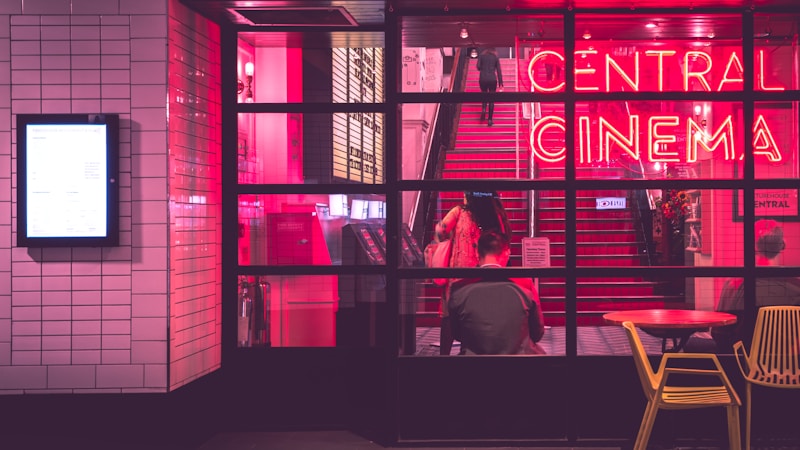
The relationship between books and their film adaptations has captivated audiences for over a century, creating passionate debates among readers, moviegoers, and critics about the merits of translating written narratives into visual storytelling. Every year, dozens of beloved novels make the journey from page to screen, with varying degrees of success—some becoming cultural phenomena that introduce millions to stories they might never have encountered in book form, while others disappoint devoted fans who feel the adaptation missed essential elements that made the source material special. This transformation from text to film involves countless creative decisions: which plotlines to preserve or eliminate, how to visualize settings and characters that previously existed only in readers’ imaginations, how to compress hundreds of pages into two or three hours without sacrificing narrative coherence, and whether to remain faithful to the source material or take creative liberties that serve cinematic storytelling. For readers who love both mediums, adaptations present unique opportunities and challenges—the chance to see favorite characters brought to life visually, but also the risk of disappointment when screen versions don’t match internal visions cultivated through reading. Understanding the adaptation process, recognizing why certain books translate better to film than others, and developing strategies for engaging with both versions can improve your appreciation for both literature and cinema while avoiding common frustrations that plague adaptation discourse.
The economics and cultural impact of literary adaptations explain why Hollywood continuously mines bestseller lists and award-winning novels for source material despite the creative challenges involved. Adaptations offer studios several advantages: pre-existing audience bases of readers already invested in stories and characters provide built-in marketing opportunities and opening weekend enthusiasm; successful books signal stories with proven narrative appeal, reducing risk compared to original screenplays; and the cultural credibility of adapting “serious literature” can elevate projects beyond typical entertainment into awards consideration. Blockbuster franchises based on books—Harry Potter, The Hunger Games, Twilight, Lord of the Rings—have generated billions in revenue while introducing younger audiences to reading through reverse pathways where film sparks interest in books. Literary adaptations dominate prestige categories at major awards ceremonies, with recent Best Picture winners like CODA, Nomadland, and earlier classics like The Lord of the Rings trilogy demonstrating how adapted screenplays compete for cinema’s highest honors. Yet this financial and cultural success masks significant creative tension: filmmakers must balance respect for source material with the demands of cinematic storytelling, satisfy existing fans while making films accessible to viewers unfamiliar with books, and work within budgetary and runtime constraints that inevitably require cutting or altering substantial portions of original narratives.
The most successful adaptations understand fundamental differences between literary and cinematic storytelling rather than attempting slavish recreations of books in visual form. Novels can dedicate pages to internal monologue, gradually build atmosphere through descriptive prose, develop sprawling casts of secondary characters across hundreds of pages, and trust readers to fill gaps with imagination. Films work through visual shorthand, must establish tone and character efficiently within limited runtime, rely on showing rather than telling, and need tight focus on central narratives that can be followed without pause or rereading. Adaptations that succeed recognize these medium-specific strengths: The Shawshank Redemption transformed Stephen King’s novella by leveraging film’s ability to show the passage of time visually and emotionally through performance and cinematography; The Godfather improved on Mario Puzo’s novel by eliminating subplots and tightening focus on the Corleone family’s moral corruption; The Lord of the Rings trilogy made judicious cuts to Tolkien’s extensive world-building while using visual effects to realize Middle-earth in ways text descriptions never could.
Books that translate most successfully to film tend to share certain characteristics: plot-driven narratives with clear dramatic arcs rather than meandering character studies; visual settings and action sequences that benefit from cinematic treatment; manageable casts of characters that can be developed within film runtime; and stories told primarily through external action and dialogue rather than internal reflection. Thrillers, mysteries, young adult adventures, and genre fiction often adapt more readily than literary fiction heavy on interior psychology or experimental prose. Gone Girl worked brilliantly as both novel and film because its twisting thriller plot, unreliable narrators revealed through alternating perspectives, and propulsive pacing translated naturally to visual storytelling. Similarly, The Martian’s survival story driven by problem-solving translated seamlessly to screen, with Matt Damon’s performance and Ridley Scott’s visuals enhancing rather than competing with Andy Weir’s original novel.
Conversely, adaptations typically struggle with books that derive power from literary techniques resistant to visual translation: complex narrative structures jumping across timelines or perspectives; prose style itself as primary pleasure rather than story; extensive world-building requiring detailed exposition; or themes explored through subtle psychological nuance rather than dramatic action. Beloved novels like The Catcher in the Rye have never been successfully adapted because Holden Caulfield’s distinctive voice and psychological portrait resist visual treatment—the book is the way it’s told as much as what’s told. Many literary fiction masterpieces remain unadapted or produce disappointing films because their achievements lie in sentence-level prose beauty, philosophical meditation, or psychological depth that don’t translate to dramatic visual narratives.
One of the most debated questions surrounding adaptations is whether to read books before watching films or vice versa. Each approach offers distinct advantages and drawbacks depending on priorities, time constraints, and the specific work involved.
Reading first provides the richest, most complete version of stories as authors intended, allowing imagination to shape characters and settings before visual interpretations lock them into specific forms. This approach lets readers form emotional connections to narratives without film runtime constraints, understand subplots and character development that adaptations may condense or eliminate, and experience surprise plot twists without cinematic marketing spoiling key moments. Readers who encounter books first often report deeper satisfaction with source material even when they enjoy adaptations, because novels provided narrative depth and character nuance films couldn’t fully capture. However, this sequence also risks disappointment when beloved books translate imperfectly to screen: readers may feel betrayed by casting choices, frustrated by cut scenes and altered storylines, or underwhelmed by visual realizations that don’t match imagined versions. The protective love readers develop for books sometimes makes fair assessment of adaptations difficult—even excellent films may feel inadequate compared to cherished personal reading experiences.
Watching first offers different benefits: films provide accessible entry points to stories without time investment required for books, especially lengthy novels; visual storytelling makes complex narratives easier to follow initially, establishing baseline understanding that enriches subsequent reading; and experiencing adaptations first preserves ability to enjoy films without constant comparison to source material. Viewers who watch adaptations before reading often find films satisfying on their own terms, then discover additional depth and richness when exploring books that expand on screen narratives. This approach particularly suits situations where film quality exceeds source material—sometimes adaptations improve on books through better pacing, tighter plotting, or stronger character development. However, watching first also means encountering stories in condensed forms that may not capture full complexity, losing surprise in plot developments when reading books afterward, and potentially skipping books entirely if adaptations feel sufficient.
The optimal strategy often depends on the specific work and individual priorities. For beloved books you’ve wanted to read regardless of adaptations, reading first makes sense—you’d read them anyway, and film provides bonus opportunity to see different interpretation. For books you’re curious about but might not otherwise read, watching adaptations first helps determine whether committing reading time is worthwhile—if you love the film, the book promises even more; if you dislike the adaptation, you’ve saved time you might have spent on books that wouldn’t resonate. For works where critical consensus suggests films equal or exceed source material (The Godfather, The Shawshank Redemption, Jaws), watching first may provide ideal experience since adaptations represent creative peaks. When films receive poor reviews but books are celebrated (Percy Jackson, Eragon, The Golden Compass), skipping adaptations and reading books directly preserves best versions.
Every adaptation involves countless decisions about what to preserve, what to alter, and what to eliminate from source material. Understanding common adaptation strategies helps readers appreciate creative challenges rather than simply lamenting changes.
Structural condensation—compressing hundreds of pages into two or three hours—represents the most obvious and necessary adaptation choice. Films typically follow the 80/20 rule: preserving roughly 20% of book content while capturing 80% of essential story. This requires identifying core narrative through-lines while cutting subplots, secondary characters, descriptive passages, and thematic tangents that novels can explore but films can’t without losing momentum. The Harry Potter films progressively condensed longer books, making increasingly ruthless cuts to maintain watchable runtimes, sacrificing character development and world-building details while preserving main plot beats fans cared about most. Later installments like Half-Blood Prince and Deathly Hallows cut entire subplots, combined characters, and simplified political intrigue—choices that disappointed some readers but kept films narratively focused for audiences including non-readers.
Character consolidation and composite characters streamline sprawling casts into manageable ensembles. Novels can introduce dozens of named characters with distinct roles; films must limit character count to avoid confusion, often combining multiple book characters into single screen characters who fulfill several narrative functions. The Lord of the Rings films eliminated characters like Tom Bombadil entirely, combined others like Arwen and Glorfindel, and gave additional prominence to characters like Arwen to strengthen romantic subplot Jackson felt necessary for cinematic storytelling. While purists objected to changes from Tolkien’s original, the choices served film’s need for tighter character focus and more conventional romantic stakes.
Perspective and narration shifts translate literary voice to cinematic viewpoint. First-person narration common in novels—providing direct access to protagonist’s thoughts—must be visualized through performance, dialogue, or occasional voiceover. Books told from multiple perspectives may need restructuring for film, either choosing single viewpoint or finding visual strategies to convey shifting perspectives. Gone Girl maintained the novel’s alternating unreliable narrators through clever voiceover and visual misdirection, preserving Flynn’s narrative strategy in cinematic form. The Shawshank Redemption used Red’s voiceover narration to preserve King’s first-person storytelling while showing rather than telling the decades-spanning prison story.
Ending changes represent controversial adaptation choices, sometimes improving narrative closure for cinematic form, other times betraying source material’s thematic intentions. Filmmakers may alter endings to provide clearer resolution, more optimistic outcomes for commercial appeal, or conclusions that work better visually than literary originals. The Mist’s film adaptation famously changed Stephen King’s ambiguous ending to a gut-punch conclusion that King himself praised as improvement. My Sister’s Keeper altered Jodi Picoult’s devastating ending to something more conventionally uplifting, infuriating readers who felt the change undermined the novel’s central themes. These decisions reflect tension between respecting source material and meeting assumed preferences of film audiences.
Understanding the spectrum of adaptation quality helps readers develop more nuanced expectations when favorite books get screen treatment. Some adaptations equal or exceed source material, creating works that stand independently while honoring original visions.
Successful adaptations that improved on source material:
The Godfather transformed Mario Puzo’s pulpy bestseller into cinematic masterpiece through Francis Ford Coppola’s direction, eliminating weak subplots while developing family saga with operatic grandeur and moral complexity that elevated the material. The film’s concentrated focus on Corleone family dynamics, Marlon Brando and Al Pacino’s iconic performances, and visual storytelling created work of art that transcended commercial origins.
The Shawshank Redemption took Stephen King’s compact novita and expanded it into emotionally resonant film about hope, friendship, and institutionalization. Tim Robbins and Morgan Freeman’s chemistry, Thomas Newman’s soaring score, and Roger Deakins’ cinematography created modern classic that many viewers don’t even realize originated as King novella.
No Country for Old Men achieved remarkable fidelity to Cormac McCarthy’s novel while using Coen Brothers’ visual mastery to enhance the story’s themes of violence, fate, and moral decay in modern West. The adaptation’s willingness to embrace McCarthy’s bleak ending and ambiguous morality, combined with Javier Bardem’s terrifying performance, created film equal to its literary source.
Faithful adaptations that satisfied readers:
The Lord of the Rings trilogy demonstrated how massive, beloved fantasy series could be adapted with respect for source material while making necessary changes for cinematic storytelling. Peter Jackson’s films captured Tolkien’s epic scope, created visual realization of Middle-earth that satisfied fans, and made judicious cuts and alterations that served film narrative without betraying novel’s spirit.
Harry Potter films varied in quality across eight installments but generally satisfied fans by maintaining overall story arc, casting that matched reader expectations, and faithful recreation of Hogwarts and wizarding world even when condensing plots. Later films grew darker in tone matching book progression, and series introduced unprecedented numbers of young readers to novels through reverse pathway from screens to pages.
Little Women’s 2019 adaptation by Greta Gerwig reimagined Louisa May Alcott’s classic through non-linear structure that provided fresh perspective while remaining true to the novel’s heart. The restructuring brought out themes of female ambition and artistic compromise in ways a linear adaptation might not have, showing how creative changes can illuminate rather than betray source material.
Cautionary tales of adaptation failure:
The Golden Compass disappointed fans of Philip Pullman’s His Dark Materials by softening theological critique central to novels, whitewashing controversial elements for family-friendly rating, and delivering rushed, incoherent narrative that failed to establish world or characters effectively. The failure ensured subsequent books went unadapted for years until HBO’s television series attempted more faithful approach.
Percy Jackson films frustrated readers by aging up characters unnecessarily, fundamentally misunderstanding series’ appeal to middle-grade readers, and making arbitrary changes to mythology and plot that served no clear purpose. The films’ failure to capture books’ humor and heart meant franchise died after two installments despite massive built-in audience.
Eragon’s film adaptation turned beloved fantasy novel into forgettable, poorly-received film through rushed production, weak performances, and fundamental misunderstanding of source material’s world-building and character development. The adaptation’s failure essentially killed the franchise’s film potential despite three subsequent books in the series.
Prestige television and streaming platforms have changed the adaptation picture, offering alternatives to film format that many readers argue better serve complex literary works. Limited series or multi-season shows provide runtime advantages that align more naturally with novel structure: ten-hour seasons can preserve subplots and character development that two-hour films must cut, multiple episodes allow breathing room for world-building and atmosphere, and seasonal breaks mirror reading experience of putting down and returning to books.
Recent successes demonstrate television’s adaptation advantages: Game of Thrones (until controversial final seasons) showed how sprawling fantasy epics could be adapted with attention to political intrigue and character nuance impossible in films; Big Little Lies preserved Liane Moriarty’s ensemble character study and slow-burn mystery; The Handmaid’s Tale expanded Margaret Atwood’s novel into deep exploration of totalitarian oppression; Normal People captured Sally Rooney’s intimate character study with quiet attention to emotional detail. These adaptations suggest certain literary works—particularly character-driven literary fiction, complex genre series, and novels with dense world-building—may find more natural homes in television format than cinema.
Streaming services’ content hunger means more books are being adapted than ever, with platforms like Netflix, Apple TV+, Amazon Prime, and HBO competing for prestige projects based on literary properties. This abundance offers opportunities for diverse voices and challenging material that mainstream film studios might avoid, but also risks diminishing adaptation quality through oversaturation and rushed production. Not every beloved book needs adaptation, and the current adaptation frenzy sometimes produces unnecessary or poorly-executed projects that would have been better left unproduced.
Rather than viewing adaptations as competitions between superior books and inferior films, developing appreciation for both forms as distinct creative works enhances enjoyment of storytelling across mediums. Adaptations aren’t books on screen—they’re new creative works in conversation with source material, interpreting rather than reproducing original texts through different artistic vocabulary.
Approaching adaptations with this mindset allows fair evaluation on their own terms while maintaining appropriate expectations. Excellent adaptations may differ substantially from books while capturing essential spirit or themes; disappointing adaptations fail not because they change things but because they don’t work as films regardless of fidelity. Some changes readers initially resist actually improve stories for visual medium, while others represent genuine missteps that weaken narratives. Developing critical eye to distinguish between necessary adaptive changes and creative failures requires understanding both literary and cinematic storytelling.
For readers who love books and films equally, adaptations offer unique pleasure of experiencing beloved stories through different lenses, comparing creative choices across mediums, and appreciating how great stories transcend any single form. The conversation between book and film, source and interpretation, original vision and adaptive reimagining enriches understanding of both—revealing new dimensions of stories through translation, highlighting what each medium does uniquely well, and demonstrating storytelling’s essential human appeal regardless of delivery format.
Using apps like Bookdot to track both books read and adaptations watched creates personal record of adaptation experiences, letting you note when films enhanced books, when they disappointed, which types of adaptations you tend to enjoy, and how your relationship with both mediums evolves. Over time, this tracking reveals your own adaptation preferences and principles, helping you make informed choices about which adaptations to watch, when to watch relative to reading, and how to maintain enthusiasm for both literature and cinema without letting one diminish appreciation for the other.
The popularity of literary adaptations, despite constant complaints about changes and disappointments, tells us something about storytelling: great narratives work across mediums. Books and films offer different things. Novels provide intimacy, depth, and imaginative co-creation between writer and reader. Films offer visual beauty, performative power, and shared communal viewing experiences. Adaptations at their best honor both, creating connections between literary and cinematic art that strengthen rather than diminish either form. Learning to appreciate these connections, understanding the creative challenges involved, and developing critical frameworks for evaluation turns adaptations from sources of frustration into opportunities for deeper engagement with stories we love.